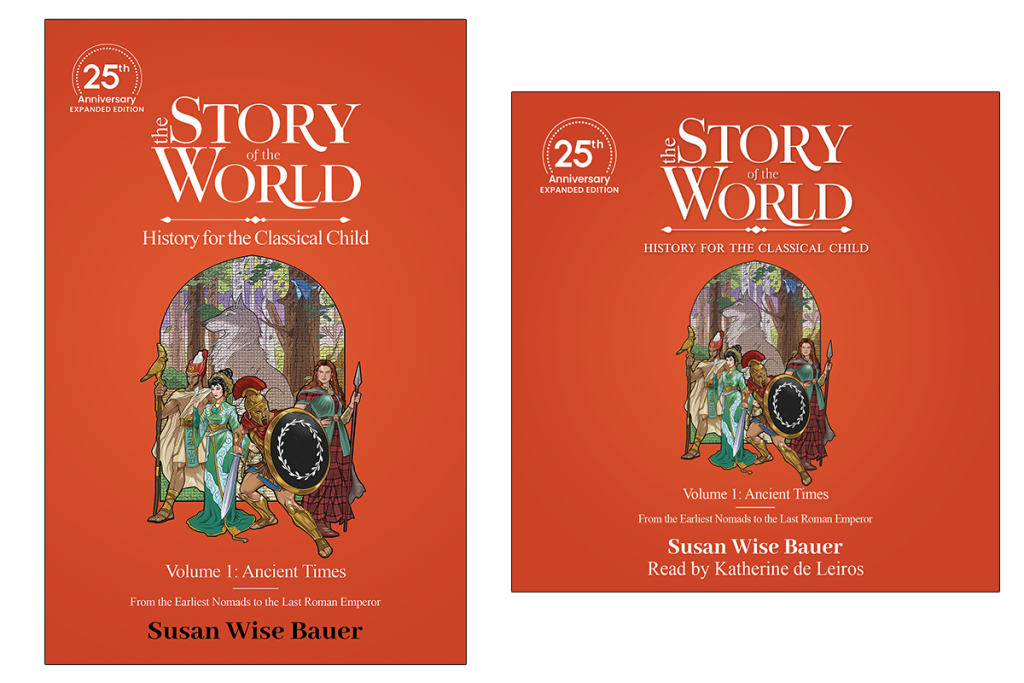
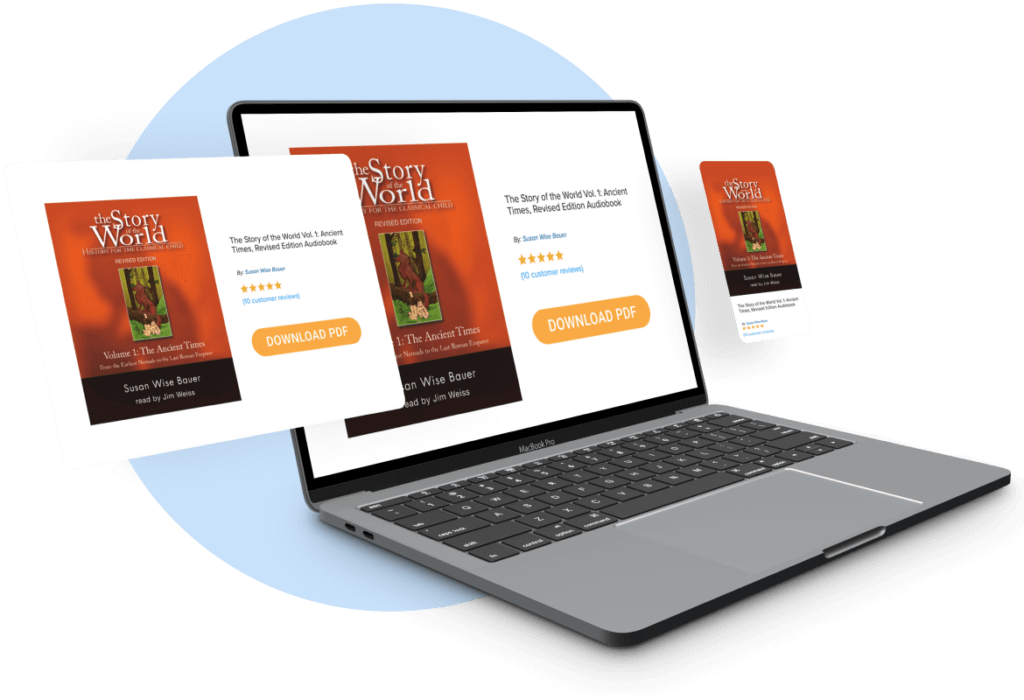
A beautiful, enhanced edition of the beloved classic.
New biographies of History-Makers
Additional chapters
Gorgeous new illustrations and maps
Now available in PDF and digital audio
New audiobook narrator
Physical formats coming in February
Edit Content
The Well-Trained Mind Press
Your road map through the wilds of education.
For over twenty years, Well-Trained Mind Press has helped parents and teachers from around the world create the best possible education for the children they love. You’re not on this journey alone. We’re here to help.
Trusted by Homeschooling Families Worldwide
Easy to Use & Accessible Curricula
Academic Excellence for Over 20 Years
The Well-Trained Mind Press
Your road map through the wilds of education.
For over twenty years, Well-Trained Mind Press has helped parents and teachers from around the world create the best possible education for the children they love. You’re not on this journey alone. We’re here to help.
Curated curricula recommendations from The Well-Trained Mind: Essential Edition. Yearly subscription.
Well-Trained Mind: Essential Edition
Curricula Recommendations Portal
Dynamic online version of the traditional book recommendations.
Explore handpicked curricula, educational resources, and book recommendations meticulously curated by Susan Wise Bauer and the Well-Trained Mind Press team. Annual Subscription.
Whether you’re new to homeschooling, a seasoned homeschooler moving into the next stage of home education, or an educator seeking assistance in adapting our curricula to the classroom setting, we’re here for you. Explore articles and videos that walk you through homeschooling from preschool to college transcripts and beyond.
We take your child’s education seriously, which is why we create easy-to-use, engaging, child-friendly, parent-approved curricula for home or classroom use. Explore our titles and samples today.
Thousands of parents and educators share tips and recommendations, encourage each other, and find support through our forums. You’re not on this journey alone. The Well-Trained Mind Forums are here to help.
"I absolutely love teaching my kids history with these books."
They really enjoy it as well. My youngest (3yrs) colors the provided pictures. My oldest two (7&10yrs) love the activities and listening to the CD.
"Daddy, let's do HISTORY!" speaks for itself
A feeling of joy filled my heart to hear him genuinely captivated by the goings-on of the ancient world.
"Wonderful series!"
I am a HUGE fan of the Story of the World series. It’s been so much fun delving into history with my kiddo. The books are engaging and accessible and the activity book really brings the whole thing to life.
Homeschooling Help
Free resources to help teach your child
Help for Homeschool Beginners
Just getting started? We’ll help you take the first steps of your homeschooling journey!
Here you’ll find some great resources that we couldn’t fit into The Well-Trained Mind or Rethinking School, along with downloadable placement tests and supplemental materials.